
Showing posts with label Green Architecture. Show all posts
Showing posts with label Green Architecture. Show all posts


Editor: Lin Zhi
(ecologikal notes: this article for some reasons was not seen published in any of Malaysian media)
KUALA LUMPUR, Aug. 5 (Xinhua) -- The Malaysian government should promote the use of green energy in order to contribute positively to sustain the environment, industry players said here on Wednesday.
Saw Choo Boon, Chairman of Shell Malaysia, a petrol company, said that the Malaysian government should do away fuel subsidies as fuel should not be a cheap commodity.
With the subsidies in place, fuel prices would be kept low, and there was no incentives for the people to conserve fuel consumption, Saw said at a roundtable talk which were attended by eight prominent business figures here.
He said that when the government increased the petrol price in 2008, consumption dropped by 10 percent.
Malaysia's prime gasoline price once rose to 2.70 ringgit (0.77U.S. dollars) a liter from two ringgit (0.57 U.S. dollars) in June2008.
Should the government cut down its fuel subsidies, billions of ringgit could be saved for promoting the use of green energy, which in turn benefits the future generations, added Saw.
Going green was not a matter of possibility but something the nation must do, stressed Saw, adding that fossil fuel would go into history after a few decades.
Touching on education, Saw said the Malaysian government should come up with relevant courses to meet the development requirement of the green energy.
He said that providing technology-savvy experts to the industry as well as venturing into starting-up business that acquired high technologies were important.
Johan Dennelind, Chief Executive Officer of DiGi Telecommunications Sdn Bhd, echoed Sam's view, citing a Swedish experience.
Dennelind said that in the 90's, the Swedish government decided to allow energy prices to move towards market prices, reducing the coal and oil generated energy from 80 percent in the 70's to 20 percent currently.
This showed that giving incentives alone was not enough in promoting green energy but other regulations should come in place as a complement, said Dennelind.
Ahmad Hadri Haris, National Project Leader of Malaysia Energy Center, said the exorbitant prices of green energy should not be ahindrance for the people to use it.
Fuel prices looked low but should the external costs such as damages to the environment be incorporated, the real prices of fuel would surge, reminded Ahmad.
He also said that the development of green energy was likely to be incorporated into the Tenth Malaysia Plan, making the industry an important jobs creator.
The Malaysia Plan is a five year plan to develop the nation's infrastructure, education, health care and etc for the well-being of the people as well as for the economy. Currently the Ninth Malaysia Plan is ongoing.
Pian Sukro, Chairman of Energy Commission Malaysia, said that the Malaysian government should consider hydro power as the nation had plenty of the resources.
He said nuclear power should be considered as well and the developed countries should use more of this source to generate energy, leaving the conventional methods for the developing countries.
Tay Kay Luan, Director of Association of Chartered Certified Accountants for ASEAN and Australia, said that utilizing green energy was good for both business and reputation.
When introducing hybrid vehicles, the Malaysian government should capture renewable energies such as hydro, wind and solar power, added Tay.
Lee Chor Wah, President of Malaysian Institute of Architects, said the Malaysian government could give cash incentives for the constructions of green buildings.
However, he admitted that there was limited incentive for consumers to build green buildings as the relatively low technology adopted in Malaysia made going green costly.
Costs of construction could increase by 10 to 15 percent in Malaysia for going green but it only cost 2 to 3 percent more in Australia, added Lee.
Lee Weng Seong, Chairman and Chief Executive Officer of PhilipsGroup of Companies in Malaysia, said the people should think that their business might not be sustainable without going green, instead of thinking only about the costs incurred to go green.
He urged the Malaysian government to draw up strict standards for various industries to adhere to and penalize those who failed to comply with the regulations and requirements.
Julian Wynter, Chief Executive Officer of Standard Chartered Bank Malaysia, said education, incentives and regulations must be coordinated in a way to make green energy popular.
On the individuals side, Wynter advised everyone to consume less resources.
He said the bank had embarked on internet banking and phone banking, resulting in less papers being consumed.

Although green building initiatives in Malaysia are still at infancy stage, yet the awareness of its financial and tangible benefits is increasing. The need for lower operational cost is the main reason for companies to adopt green concepts.
The government is also committed in promoting green concepts with the establishment of Energy, Green Technology and Water Ministry, under the leadership of Datuk Peter Chin. In addition, according to Works Minister, Datuk Shaziman Abu Mansor, future government buildings will be incorporating green concepts. The launch of Malaysia’s very own green rating tool, Green Building Index, has brought sustainability development in Malaysia to a higher level.
High Performance Green Buildings, Malaysia aims to address the current trends, future direction, and the best practices of constructing sustainable buildings. This event also offers an opportunity to promote Malaysia as one of the investment destination for sustainable building.
Attend this informative event and gain practical insights into:
- Discovering the methodologies and strategies to build a GBI certified building
- Identifying techniques of constructing a cost-effective green building
- Gaining insights on successful international and local case studies of green buildings
- Leveraging strategies maintaining sustainable buildings
- Increasing the efficiency of renewable energy
- Exploring the vast array of green technologies
The High-Performance Green Buildings, Malaysia is structured to be a one-day conference and one-day training. The event will feature ground breaking presentations and case studies:
- Mastermind of green building: Is it the government, developer, designer, or supplier?
- Green Design and Planning : The five strategies
- Shading for sustainable cities – A new range of opportunities
- Strategic exploration of greening existing building
- Plus a special masterclass on constructing green building for certification
Speakers who have confirmed speaking at the event are:
- Derek Swift Group Sustainability Manager Al-Faara Group, Dubai
- Martin C Hay RIBA Manager – Architecture GHD, Doha
- Dato’ Dr Ken Yeang Principal TR Hamzah & Yeang Sdn Bhd (Malaysia) and Llewelyn Davies Yeang (UK)
- Silas Chiow Director Skidmore, Owings & Merrill, China
- Gieto Sugianto Director- Projects Architects 61, Singapore
- CK Tang Director IEN Consultants
Contact Ms. Alexis Nair at +603 2035 5682. Alternatively, you can also e-mail at alexis@myevents-intl.com or visit http://www.greenevents.com.my/.
Stories by BAVANI M
Photos by ART CHEN
TO become a world-class city, Kuala Lumpur must also be sustainable. To do that, the city must learn how to reduce its carbon footprint by using natural resources more efficiently, re-use resources and reduce waste. One way of doing this is by designing buildings with minimal negative impact on the environment. StarMetro reports.
IF Kuala Lumpur mayor Datuk Ahmad Fuad Ismail had super- powers, he would transform Kuala Lumpur into a green city with zero carbon footprint. But alas, the mayor is no superman, but he still harbours this vision of seeing KL being developed into a sustainable city whose residents would enjoy living in a zero carbon and waste-free environment.
A bone fide greenie, Fuad has shown that he is one leader who is willing to embrace the green movement by ensuring that developments in the city are environment- friendly.
Therefore when Malaysia introduced its very own Green Building Index (GBI) on May 21, no one was more delighted than Fuad.
 Cooling: Shady trees amid the city’s streets and buildings provide much-needed relief from the heat.
 For the uninitiated, the GBI is a certification tool that will provide guidelines for sustainable development and environment-friendly construction.
Knowing full well that with this tool, new buildings in Kuala Lumpur can be guided and managed to lessen their impact on the environment the mayor is enthusiastic about getting started.
But there is a hitch. The GBI is developed by Pertubuhan Akitek Malaysia (PAM) and the Association of Consulting Engineers Malaysia (ACEM) – two private bodies with no affiliation with the government.
Despite the government’s support, there is not much that Fuad can do to encourage and promote sustainability in the built environment since it concerns policy decision and requires the blessings of, among others, the Federal Territories Ministry, Housing and Local Government Ministry, Public Works Ministry and the new Energy, Green Technology and Water Ministry.
But the mayor is not about to let that stop him. He already speaks of offering incentives to be given out to developers and building owners in the city to design and construct green, sustainable buildings that can conserve energy and water, provide a healthier indoor environment, better connectivity to public transport and the adoption of recycling and green programmes for their projects.
 Bringing the heat down: Building owners can reduce the heat-island effect by planting more trees and greens around their offices and rooftops.
 At a recent interview, Fuad told StarMetro that incentives such as increased plot ratio and reduction in assessment are just some of the perks that could be offered to developers and building owners who are willing to embrace the green mission.
But it is something that needed thought and planning before it could be implemented. Fuad, however, said any project, however, minor that incorporateed the green agenda such as planting more trees, recycling, and composting would indeed be rewarded.
PAM president Lee Chor Wah welcomed Fuad’s suggestion saying that it would be a good incentive for current building owners and developers to embrace the green mission now in order for them to reap its long-term benefits.
“By having our own rating system, we can start with simple tasks such as changing light bulbs to energy- efficient ones, or doing away with paint, or installing solar heaters for buildings and offices,’’ said Lee.
The idea, Lee said, was to provide opportunities for developers, and building owners to design and construct green, sustainable buildings that could provide a healthier indoor environment that would save on energy and water.
 Future look: The Kuala Lumpur City Hall building in Jalan Raja Laut (right) looks bare as compared with an artist’s impression of the building by Persatuan Arkitek Malaysia on how it can incorporate green elements by planting plants on the rooftop, windows and balconies.
 Apart from the long-term benefits, green buildings send the right message about a company or organisation.
According to Lee, foreign and multi-national companies are looking at buying or leasing properties in Asia that are green. Even international brands look for shopping malls that are green before taking up lots in the mall.
“It shows that the particular organisation is committed and responsible about the future,’’ Lee said, adding that it was part of their social responsibility to preserve the environment.
By LESTER KONG
The newly established Energy, Green Technology and Water Ministry is making a stand to promote green technology to reduce the country’s carbon footprint and damage to the environment.
Malaysia has to go green soon or risk completely using up valuable resources in the country and reducing its natural heritage to nothing.
To reduce the country’s carbon footprint and damage to the local environment, the newly established Energy, Green Technology and Water Ministry is now making a stand to promote green technology.
 Dr Halim: We risk using up valuable resources and reducing our natural heritage to nothing.
Ministry Secretary-General Datuk Dr Halim Man said that green technology meant using resources such as energy and water minimally if not efficiently to develop and produce goods and services.
“Any technology to produce or develop products and services which contributes to emissions such as carbon monoxide and other greenhouse gases must be reduced through awareness in this initial stage and further through enforcement,” he said in an interview at his Putrajaya office.
Even the ministry’s building in the nation’s administrative capital had incorporated ‘green’ aspects such as recessed glass panels on its windows to reduce the amount of heat seeping through, thus reducing the amount of energy that is needed to power air-conditioners to cool the building.
The Government’s effort to develop green technology could be seen from two aspects, according to Dr Halim.
“First is innovation, namely to create or develop green technology that are environmentally friendly and practical.
“It is vital to encourage students to invent green technology that are simple. In the tertiary levels, researchers could also be encouraged to produce products that did not waste energy and water. These innovations could then be commercialised for local consumption and export,” he said.
Secondly, he said, the Government also wanted to promote the use or application of green technology in both work processes and daily practices.
“For example, we can carry drinking water in our own containers instead of buying mineral water bottles. If we buy food to bring home, we can use our own food containers without relying on styroform or unenvironmentally-friendly plastic,” he said.
On energy efficient appliances, Dr Halim said the ministry was working on an Energy Efficiency Master Plan to introduce such as labeling of energy efficient equipment, minimum energy, energy performence standard, to ensure that energy is use more efficiently in the country.
“This is like what Japan, Thailand and Germany have. We have to model after these countries,” he said.
He gave the example of China having enacted regulations that require motorcycles in Beijing to use batteries instead of highly-polluting two-stroke engines in motorcycles.
Dr Halim said the ministry was now in the process of developing a National Green Technology Policy that it planned to roll out on July 24.
“We anticipate the need for legal and regulatory framework for green practices and technology. In terms of research and development, we must encourage this.
“We must also have more people trained in green technology through the local universities,” he said, adding that the ministry is already collaborating with the Higher Education Ministry to come up with the syllabus on green technology.
“Now it is time to hinge on green technology. We are also looking into how we can collaborate with overseas universities on green technology,” he said.
Dr Halim pointed out that it was all about creating awareness and educating the public about why Malaysian homes and businesses had to switch to using renewable energy and energy-efficient sources.
“We need to spend a lot of time and money on public education to create awareness on green technology. The reason is to have sustainable development,” he said.
One of the key ways to encourage homes and businesses is to switch to using green technology was through the Green Building Index (GBI), developed by the Malaysian Institute of Architects (PAM) and Association of Consulting Engineers Malaysia (ACEM).
Buildings that incorporate PAM’s six key criteria – energy efficiency, indoor environmental quality, sustainable site planning and management, materials and resources used, water usage efficiency and innovation – will be given a GBI rating.
“Any buildings with these criteria will have very low carbon footprint, for instance, energy used to cool the building will be low. These are all elements of design, so that buildings would not need cooling system that consume a lot of energy. Buildings that are compliant to the ratings will be considered green buildings,” he said.
He added that the capital outlay for green buildings will be higher.
“But in the long run, you save a lot in water and electrical costs. It would cost about 10% higher to develop and build but in terms of savings, you gain it back in a short time. If you had solar cells, you could even gain more power than is consumed,” he said.
Dr Halim said most people did not realise the extent of environmental costs generated through home and industrial waste.
“This is the cost you have to pay to mitigate environmental damage. Like plastic clogging the rivers and other water bodies. What is the environmental cost for you to mitigate these situations? If we drive a car, we are polluting the environment and it takes a lot to clean it up. Rubbish by the road and in rivers are visible and we can spend money to clean it up. But what about climate change? You cannot pay money to clean up greenhouse gases. In the end, society loses,” he said.
Dr Halim explained that economic growth was coupled with energy consumption and usage.
“The higher, the growth, the higher the energy use. Some countries are trying to ‘decouple’ this trend. That means you still have economic growth but your energy consumption is limited.
“In Malaysia the growth of energy consumption was parallel to economic growth”.
“The growth was not exponential but very sharp. We had grown very fast during (former Prime Minister) Tun Dr Mahathir Mohamad’s time,” he said, adding that the highest energy consumption per capita in the region was Singapore.
He said Malaysians had to understand that sustainable development and care for the environment is the goal that must be made centre stage now.
“We can develop without damaging the environment. At the end of the day, it’s not just about economic growth but also sustainable development.
“Future generations must not have less than what we have now. We need to slow down the process of destruction on the environment. If we don’t practice green technology now, it will be too late,” he said.
For many years bamboo has enjoyed the reputation of sustainable
flooring front runner, but cork is now giving bamboo a run for its
money.
Cork, due to its thermal properties, is cool in winter and warm in summer. Bamboo is more like hardwoods in that it is temperature neutral. Cork offers great sound absorption compared to bamboo, which has the same sound quality as hardwoods.
Maintenance
Both are relatively easy to maintain—sweep and then dust with a very light, damp mop.
Refinish and Replace
Cork floors may be somewhat difficult to match—if you are replacing a damaged area, you may need to re-surface the whole floor. Bamboo floors can be sanded and refinished.
Durability
Bamboo flooring is more scratch resistant than cork, though owners have reported it can dent, especially under pointed pressure. Cork can also dent if heavy items are placed on it. However, the flexibility of cork yields rates of 95% recovery after 50% compression. Consensus claims that both cork and bamboo are more durable than hardwood floors.
Environmental
Cork is a 100% renewable resource, harvested from the bark of living cork oak trees. Bamboo is a sustainable, harvested grass that regenerates at least 8x faster than hardwood. Both boast a LEED MR (Materials and Resources) Credit of 6, the rating tier devoted to Rapidly Renewable Materials. Both also receive a LEED IEQ (Indoor Environmental Quality) credit of 4, the rating tier devoted to Low-Emitting Materials.
Your Needs
So whatʼs best for you? Take into account your living environment—if you have pets, bamboo might be the better option because of its durability. If you have children, cork makes for a safer surface, as it is better at cushioning. Cork is also a great choice for entertaining or spending long periods of time in the kitchen, as it is sound absorbent and acclimates to suit seasonal temperatures.
In sum, both are beautiful, sustainable, low-maintenance flooring materials, so there aren't any losers here in the competition for "most eco-friendly and stylish flooring."
money.
How do they shape up in comparison?

 Appearance
Bamboo is slightly limited in terms of color choice compared to cork. Using pigments, cork can be dyed almost any color, though many prefer the look of more natural tones. Although bamboo can be cut in a way to create more than one pattern or grain, cork naturally has six different patterns. Cork can also be cut easily to create interesting borders or mosaics, adding to its design appeal.
Cork, due to its thermal properties, is cool in winter and warm in summer. Bamboo is more like hardwoods in that it is temperature neutral. Cork offers great sound absorption compared to bamboo, which has the same sound quality as hardwoods.
Maintenance
Both are relatively easy to maintain—sweep and then dust with a very light, damp mop.
Refinish and Replace
Cork floors may be somewhat difficult to match—if you are replacing a damaged area, you may need to re-surface the whole floor. Bamboo floors can be sanded and refinished.
Durability
Bamboo flooring is more scratch resistant than cork, though owners have reported it can dent, especially under pointed pressure. Cork can also dent if heavy items are placed on it. However, the flexibility of cork yields rates of 95% recovery after 50% compression. Consensus claims that both cork and bamboo are more durable than hardwood floors.
Environmental
Cork is a 100% renewable resource, harvested from the bark of living cork oak trees. Bamboo is a sustainable, harvested grass that regenerates at least 8x faster than hardwood. Both boast a LEED MR (Materials and Resources) Credit of 6, the rating tier devoted to Rapidly Renewable Materials. Both also receive a LEED IEQ (Indoor Environmental Quality) credit of 4, the rating tier devoted to Low-Emitting Materials.
Your Needs
So whatʼs best for you? Take into account your living environment—if you have pets, bamboo might be the better option because of its durability. If you have children, cork makes for a safer surface, as it is better at cushioning. Cork is also a great choice for entertaining or spending long periods of time in the kitchen, as it is sound absorbent and acclimates to suit seasonal temperatures.
In sum, both are beautiful, sustainable, low-maintenance flooring materials, so there aren't any losers here in the competition for "most eco-friendly and stylish flooring."
For tips on caring for cork and bamboo floors, see these tips:
Adaptation is fitting whenever and wherever possible. Treading lightly to the land, adjusting to the environment, creating presence through influence. The process enables change, without imposition. In general, underuterlised transit corridors are ideal project sites. Upon arrival the seed is implanted and begins to grow. As the community infills and becomes whole, the seed is carried on to repeat the process.
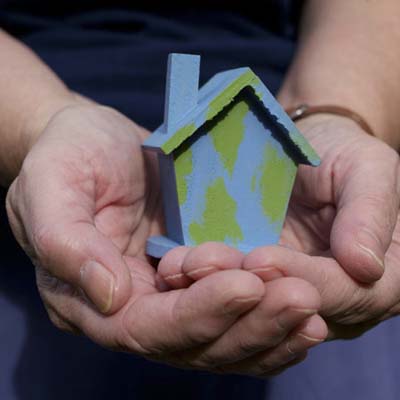
After a while of looking around, have come to this ultimate green checklist which find it useful. As ultimate as it can be, do spend time to look through the list. Have thought of breaking it down to easy sub-refering but as passionate as one may be, this should give more hype. I'm posting design related issue and for the ultimate detail listing, kindly refer the attached web link. The article starts like this....
Marilyn's Ultimate Green Building Checklist
A Green Checklist is essentially a list of building materials and methods that you can incorporate into your project to make it GREEN. Within the past decade, many Green Building Checklists have been created around the world. They have been developed by different government entities, public utilities, non-profit organizations and private entities with the overarching intent to clarify the many ways in which we can design and build GREEN.The most well known and referenced Green Building Checklist in the United States is the Leadership in Energy and Environmental Design (LEED) Guidelines. Architects, builders and even entire government jurisdictions refer to LEED to guide their commercial and municipal building projects. Since the U.S.G.B.C has yet to publish a Green Building Checklist for residential projects, other entities have developed their own. In California, the most respected and frequently referenced Residential Green Building Checklist is that of the Alameda County Waste Management Authority (ACWMA). In combination, the LEED and ACWMA Guidelines represent the definition of green building in California today. But neither LEED nor ACWMA nor any other Green Building Checklist is currently comprehensive—none of them list ALL of the ways in which to build green—until now.Marilyn has created a COMPREHENSIVE Green Building Checklist. This Checklist not only covers the contents of LEED and ACWMA but ALSO INCLUDES ALL of the other green products and practices referenced in other green building Checklists, books, articles and classes. In this way, Marilyn’s Green Building Checklist is the most thorough and up-to-date reference to Green Building today. Moreover, this Checklist is organized according to what “kind” of green the product or practice is.
That way, you can search for green building materials/methods based on whether you are most concerned with
1) Improving Health/Comfort
2) Conserving Resources
3) Increasing Energy Efficiency or
4) Respecting the Site and Promoting Community.
I hope that this comprehensive Green Building Checklist helps you determine how your project will be GREEN!
IMPROVE HEALTH AND COMFORT
DESIGN STRATEGIES:
• Natural Ventilation
• Fresh air intake from organic landscaping
• No fresh air intake for polluted air sources such as traffic, street, or near equipment’s exhaust vents
• Negative air pressure to discourage air entry from undesired adjacent sources
POLLUTION FILTRATION & REDUCTION
Avoid exposure of building occupants to potentially hazardous chemicals that adversely impact IAQAir Filters:
• STANDARD: HEPA or Austin Air Filters
• Whole house air filters
• Vapor permeable infiltration barrier
• Indoor plants Water Filters:Water filter on water fixtures (i.e. shower heads and faucets)Whole house water filtersCarbon Dioxide Reduction:
• Design the HVAC system with carbon dioxide monitoring sensors and integrate these sensors with the building automation system (BAS)
• Gas pilot light
• Duct Mastic on all Duct Joists
• SealCombustion Furnaces
• Seal Hot Water HeatersRadiation Reduction
• Low Electromagnetic Fields (EMF)
• Moving interior water for negative ions
• Isolate microwave operation from occupants
• Shield electromagnetic
INCREASE COMFORT
NATURAL LIGHTING
• Windows in all occupied areas
• Increase building perimeter
• Model day-lighting strategies with a physical or computer model
• Full-spectrum lighting
NOISE POLLUTION
• Entrance airlocks & revolving doors to reduce sound transmission & save energy
• Assure acoustic privacy
• Isolate equipment noise
• Optimize acousticsFunctional Comfort
• Feng shuiAesthetic Comfort
• Appropriate colors, ceiling heights, surface treatments & room proportions
• Maximize view opportunities; No confined viewsControllability of Systems
• Operable Windows
• Task Lighting
• Underfloor HVAC systems with individual diffusers
• Lighting control zonesThermal Comfort
• Establish temperature and humidity comfort ranges
• Comply with ASHRAE Standard 55-1992, Addenda 1995 for thermal comfort
• Install a permanent temperature and humidity monitoring system configured to provide operators control
• Install a permanent temperature and humidity monitoring system to automatically adjust building conditions as appropriate
RECYCLED CONTENT MATERIALS
• Recycled content wood products
• Recycled plastic lumber or composite lumber decking
• Hardboard: recycled content siding
• Recycled aggregate
• Composite products from agricultural post-harvest
• Strawbale structures
• Earthships: recycled tire structures
• Salvaged building materials
• Fly ash concrete
• Recycled aggregate content concrete
• Recycled rubble for drain rock
• Use materials that can be recycled rather than land fill at end of useful life
• Recycled content fiberglass insulation
• Recycled content cotton insulation
• Recycled content cellulose insulation for walls and ceilings
• Recycled content ceramic tiles
• Recycled content carpet
• Recylced content roofing materials
• Recycled tire content roofing tiles
• Recycled slate roofing
• Recycled asphalt roofing
DURABLE MATERIALS
• 40 year roofing
• Finger-jointed studs for non-structural vertical applications
• Wood I-Joists for floor and ceiling joists
• Steel web trusses primarily for long-span floor joists
• Spacing, sizing, & modular dimensions that minimize lumber use & waste
• Use advanced framing techniques
ARCHITECUTRAL ASPECT
REDUCE HEAT ISLANDS
• Energy Star Roof-compliant, high reflective and high emissivity roofing
• White roofs
• Green (vegetated) roofs
• Provide shade on non-roofed impervious surfaces including parking lots, walkways, plazas, etc.
• Use light-coloured/ high albedo materials for impervious surfaces
• Place parking underground
• Use open-grid pavement systems
• Shade constructed surfaces with landscape features and minimize the overall building footprint
• Consider replacing constructed surfaces (i.e. roofs, roads, sidewalks, etc.) with vegetated surfaces
COMMUNITY SUSTAINABILITY
• Orient living rooms and porches to streets and public spaces
• Build Mixed Use, Residential/Commercial
• Design for Diverse Family Types
• Provide Granny Flats above Garages
• Minimize street widths
• Build mixed-use developmentsProvide public amenities such as open space
DESIGN STRATEGIES
• Framing on 24’’ centers
• Orient building on East/West axis for solar access
• Overhangs and Awnings on South Facing windows
• Locate ductwork in conditioned spaces
• Natural Daylighting
• Evaporative cooling
• Solarium / Green house
• Natural ventilation
• Electrical car recharging station
• Thermal mass
• Low embodied energy materials
• Project encourages alternative transportation
LANDSCAPING
• Deciduous Shade Trees on the West and South Sides
• Evaporative Cooling ponds in courtyards
STRUCTURAL FRAME
• Energy heels where conventional trusses are used
ROOFING
• Cool roofs
• Energy star rated roofs
Partial checklist excerp source from http://www.thegreenarchitect.com/index.php?module=announce&ANN_user_op=view&ANN_id=22
Marilyn's Ultimate Green Building Checklist
A Green Checklist is essentially a list of building materials and methods that you can incorporate into your project to make it GREEN. Within the past decade, many Green Building Checklists have been created around the world. They have been developed by different government entities, public utilities, non-profit organizations and private entities with the overarching intent to clarify the many ways in which we can design and build GREEN.The most well known and referenced Green Building Checklist in the United States is the Leadership in Energy and Environmental Design (LEED) Guidelines. Architects, builders and even entire government jurisdictions refer to LEED to guide their commercial and municipal building projects. Since the U.S.G.B.C has yet to publish a Green Building Checklist for residential projects, other entities have developed their own. In California, the most respected and frequently referenced Residential Green Building Checklist is that of the Alameda County Waste Management Authority (ACWMA). In combination, the LEED and ACWMA Guidelines represent the definition of green building in California today. But neither LEED nor ACWMA nor any other Green Building Checklist is currently comprehensive—none of them list ALL of the ways in which to build green—until now.Marilyn has created a COMPREHENSIVE Green Building Checklist. This Checklist not only covers the contents of LEED and ACWMA but ALSO INCLUDES ALL of the other green products and practices referenced in other green building Checklists, books, articles and classes. In this way, Marilyn’s Green Building Checklist is the most thorough and up-to-date reference to Green Building today. Moreover, this Checklist is organized according to what “kind” of green the product or practice is.
That way, you can search for green building materials/methods based on whether you are most concerned with
1) Improving Health/Comfort
2) Conserving Resources
3) Increasing Energy Efficiency or
4) Respecting the Site and Promoting Community.
I hope that this comprehensive Green Building Checklist helps you determine how your project will be GREEN!
IMPROVE HEALTH AND COMFORT
DESIGN STRATEGIES:
• Natural Ventilation
• Fresh air intake from organic landscaping
• No fresh air intake for polluted air sources such as traffic, street, or near equipment’s exhaust vents
• Negative air pressure to discourage air entry from undesired adjacent sources
POLLUTION FILTRATION & REDUCTION
Avoid exposure of building occupants to potentially hazardous chemicals that adversely impact IAQAir Filters:
• STANDARD: HEPA or Austin Air Filters
• Whole house air filters
• Vapor permeable infiltration barrier
• Indoor plants Water Filters:Water filter on water fixtures (i.e. shower heads and faucets)Whole house water filtersCarbon Dioxide Reduction:
• Design the HVAC system with carbon dioxide monitoring sensors and integrate these sensors with the building automation system (BAS)
• Gas pilot light
• Duct Mastic on all Duct Joists
• SealCombustion Furnaces
• Seal Hot Water HeatersRadiation Reduction
• Low Electromagnetic Fields (EMF)
• Moving interior water for negative ions
• Isolate microwave operation from occupants
• Shield electromagnetic
INCREASE COMFORT
NATURAL LIGHTING
• Windows in all occupied areas
• Increase building perimeter
• Model day-lighting strategies with a physical or computer model
• Full-spectrum lighting
NOISE POLLUTION
• Entrance airlocks & revolving doors to reduce sound transmission & save energy
• Assure acoustic privacy
• Isolate equipment noise
• Optimize acousticsFunctional Comfort
• Feng shuiAesthetic Comfort
• Appropriate colors, ceiling heights, surface treatments & room proportions
• Maximize view opportunities; No confined viewsControllability of Systems
• Operable Windows
• Task Lighting
• Underfloor HVAC systems with individual diffusers
• Lighting control zonesThermal Comfort
• Establish temperature and humidity comfort ranges
• Comply with ASHRAE Standard 55-1992, Addenda 1995 for thermal comfort
• Install a permanent temperature and humidity monitoring system configured to provide operators control
• Install a permanent temperature and humidity monitoring system to automatically adjust building conditions as appropriate
RECYCLED CONTENT MATERIALS
• Recycled content wood products
• Recycled plastic lumber or composite lumber decking
• Hardboard: recycled content siding
• Recycled aggregate
• Composite products from agricultural post-harvest
• Strawbale structures
• Earthships: recycled tire structures
• Salvaged building materials
• Fly ash concrete
• Recycled aggregate content concrete
• Recycled rubble for drain rock
• Use materials that can be recycled rather than land fill at end of useful life
• Recycled content fiberglass insulation
• Recycled content cotton insulation
• Recycled content cellulose insulation for walls and ceilings
• Recycled content ceramic tiles
• Recycled content carpet
• Recylced content roofing materials
• Recycled tire content roofing tiles
• Recycled slate roofing
• Recycled asphalt roofing
DURABLE MATERIALS
• 40 year roofing
• Finger-jointed studs for non-structural vertical applications
• Wood I-Joists for floor and ceiling joists
• Steel web trusses primarily for long-span floor joists
• Spacing, sizing, & modular dimensions that minimize lumber use & waste
• Use advanced framing techniques
ARCHITECUTRAL ASPECT
REDUCE HEAT ISLANDS
• Energy Star Roof-compliant, high reflective and high emissivity roofing
• White roofs
• Green (vegetated) roofs
• Provide shade on non-roofed impervious surfaces including parking lots, walkways, plazas, etc.
• Use light-coloured/ high albedo materials for impervious surfaces
• Place parking underground
• Use open-grid pavement systems
• Shade constructed surfaces with landscape features and minimize the overall building footprint
• Consider replacing constructed surfaces (i.e. roofs, roads, sidewalks, etc.) with vegetated surfaces
COMMUNITY SUSTAINABILITY
• Orient living rooms and porches to streets and public spaces
• Build Mixed Use, Residential/Commercial
• Design for Diverse Family Types
• Provide Granny Flats above Garages
• Minimize street widths
• Build mixed-use developmentsProvide public amenities such as open space
DESIGN STRATEGIES
• Framing on 24’’ centers
• Orient building on East/West axis for solar access
• Overhangs and Awnings on South Facing windows
• Locate ductwork in conditioned spaces
• Natural Daylighting
• Evaporative cooling
• Solarium / Green house
• Natural ventilation
• Electrical car recharging station
• Thermal mass
• Low embodied energy materials
• Project encourages alternative transportation
LANDSCAPING
• Deciduous Shade Trees on the West and South Sides
• Evaporative Cooling ponds in courtyards
STRUCTURAL FRAME
• Energy heels where conventional trusses are used
ROOFING
• Cool roofs
• Energy star rated roofs
Partial checklist excerp source from http://www.thegreenarchitect.com/index.php?module=announce&ANN_user_op=view&ANN_id=22

The best Green buildings are pleasant and healthy places for people... Truly sustainable design transcends mere technical, ecological, and economic issues.
Green Architecture is an integration of environmental elements, spiritual and personal well-being, healthy household practices, architectural designs and non-toxic building materials. The integration of all of these things creates the ideal, modern, nutritious home or work place. Green Architecture involves architects, clients, consultants, construction managers, and material suppliers, all of whom comprise the project green team, and all of whom possess the conviction that “it’s highly desirable to live toxin-free in an increasingly polluted world.”
Green Architecture is for those who strongly believe that our planet is a precious commodity, something that should be greatly cared for through sustainable practices—such as recycling, non-polluting lifestyles, the focusing on restorative and healthy ways of living and harmonizing with the environment, and constructing buildings with hygienic materials and the organic designs of Green Architecture.
Architects who practice Green Architecture aren’t just designing projects that diminish energy consumption and pollution, nor are they simply creating homes with non-toxic plumbing, insulation, ventilation, and construction materials. Rather, Green architects are inventing holistic designs for health-oriented clients—many of whom live invigorating, even evolved and sometimes spiritual lifestyles—and hence, these architects are creating projects that are fundamental to the Green philosophy of living.
In Green Architectural buildings, you’ll find more resource efficiency, a lowering of energy consumption, improved and easier recycling capabilities, maximized natural light and outdoor views, diminished electromagnetic fields, improved water and indoor air quality. Depending on the clients’ desires, a Green home can include photovoltaics, wind power, solar water heating, thermal walls and floors, safe paints, varnishes, adhesives and finishes, and a healthy selection of furniture and furnishings.
“There are numerous health benefits for clients who choose Green Architecture,” says Marilyn, who has served as Director of Sustainability and also as a member of the Board of Directors for the Monterey Bay Chapter of the American Institute of Architects. “Green Architecture is great for the environment, cost-effective, easy and best of all, everyone can do it. Architects, clients and project consultants who consider themselves Green are finding that a non-toxic living environment is compatible with beautiful architectural design. Green homes and offices are the future of architecture.
”The Green Template For Success:Marilyn, as a lifelong resident of Santa Cruz, has seen firsthand all the teasing that the “organic, eco-mantra-spewing, granola-and-bean-sprout-eating” people of Santa Cruz have endured for over 25 years. But as she notes, “Santa Cruz has been a Green, organic-lifestyle place for a long time, and now things are coming full circle,” she says. “Currently, our way of living in Santa Cruz is something that many people want to emulate. Santa Cruzians are using what they were once teased about as a Green region and turning it into their strength. Being Green is a feather in the cap for Santa Cruz. We are leading the way for American cities in the pursuit of Green Architecture.” An example can be found in the proposed City of Santa Cruz Green Building Program that will be the third mandatory residential Green program in the United States.
In Santa Cruz, there is a budding awareness in regards to healthy homes. As Marilyn notes, “The world can be a happy, beautiful and good place and you can have everything you want in life without creating any toxic effects if you pursue building your ‘dream-fantasy’ project with Green and sustainable intent,” says Marilyn, who is seeing an increase in the number of clients requesting Green Architecture and “non-toxic” Green building materials. “There are no constraints on creativity due to Green Architecture, but rather, there exists a stimulus for clients and architects to find exciting, relevant, and health-affirming designs.
”Green building designs for larger-scale corporate, commercial and industrial projects can involve meticulous surveys of the project’s ecology, local climate, and hydrology, plus state-of-the-art engineering analysis. The design process can occasionally be more detailed than for standard construction, involving computer studies and predictive modeling, as well as constant collaboration with environmental consultants. Projects are precisely engineered to facilitate a reduction (or elimination) of dependence on mechanical air conditioning and ventilation.
There are profitable advantages to Green Architecture in the business setting. The health of employees who work in Green offices improves because they’re working in a non-toxic environment, and psychologically, these employees will naturally experience a greater sense of well-being. Interaction between employees can improve noticeably, too. So, the end result of designing and building Green offices is that absenteeism and staff turnover drop considerably... and productivity thereby increases.
Benefits to Green Architecture:Clients who choose Green Architecture can enjoy modern, attractive, healthy projects that exist in resonance with the environment. The best part about Green Architecture is that it can help create a soothing, natural and healthy non-toxic building in any “environment,” be it the woods, a coastline, rolling suburbia, or the corner of a busy intersection.
Clients appreciate their newfound contact with the outdoors, especially if they have experienced the isolation of sealed and artificially lit and ventilated conventional buildings in the past. Well-designed Green buildings immerse clients into the surrounding natural environment. Green Architecture is sensually satisfying and emotionally fulfilling.
In addition, Green Architecture has financial benefits for conscientious clients: State and federal governments offer subsidies and tax credits for solar use; utility companies offer property subsidies for buildings that use less energy than normal buildings.
With the environment becoming ever more fragile, Green Architecture should be a priority to anyone seeking architectural designs. Such environmentally centered buildings and designs won’t deliver just low fuel bills and reduced emission of pollutants, but they’ll also help Green clients acquire the reverential human aspirations of “fullness” and living peacefully within the natural world.
full article excerp source http://www.thegreenarchitect.com/index.php?module=announce&ANN_user_op=view&ANN_id=20
Green Architecture is an integration of environmental elements, spiritual and personal well-being, healthy household practices, architectural designs and non-toxic building materials. The integration of all of these things creates the ideal, modern, nutritious home or work place. Green Architecture involves architects, clients, consultants, construction managers, and material suppliers, all of whom comprise the project green team, and all of whom possess the conviction that “it’s highly desirable to live toxin-free in an increasingly polluted world.”
Green Architecture is for those who strongly believe that our planet is a precious commodity, something that should be greatly cared for through sustainable practices—such as recycling, non-polluting lifestyles, the focusing on restorative and healthy ways of living and harmonizing with the environment, and constructing buildings with hygienic materials and the organic designs of Green Architecture.
Architects who practice Green Architecture aren’t just designing projects that diminish energy consumption and pollution, nor are they simply creating homes with non-toxic plumbing, insulation, ventilation, and construction materials. Rather, Green architects are inventing holistic designs for health-oriented clients—many of whom live invigorating, even evolved and sometimes spiritual lifestyles—and hence, these architects are creating projects that are fundamental to the Green philosophy of living.
In Green Architectural buildings, you’ll find more resource efficiency, a lowering of energy consumption, improved and easier recycling capabilities, maximized natural light and outdoor views, diminished electromagnetic fields, improved water and indoor air quality. Depending on the clients’ desires, a Green home can include photovoltaics, wind power, solar water heating, thermal walls and floors, safe paints, varnishes, adhesives and finishes, and a healthy selection of furniture and furnishings.
“There are numerous health benefits for clients who choose Green Architecture,” says Marilyn, who has served as Director of Sustainability and also as a member of the Board of Directors for the Monterey Bay Chapter of the American Institute of Architects. “Green Architecture is great for the environment, cost-effective, easy and best of all, everyone can do it. Architects, clients and project consultants who consider themselves Green are finding that a non-toxic living environment is compatible with beautiful architectural design. Green homes and offices are the future of architecture.
”The Green Template For Success:Marilyn, as a lifelong resident of Santa Cruz, has seen firsthand all the teasing that the “organic, eco-mantra-spewing, granola-and-bean-sprout-eating” people of Santa Cruz have endured for over 25 years. But as she notes, “Santa Cruz has been a Green, organic-lifestyle place for a long time, and now things are coming full circle,” she says. “Currently, our way of living in Santa Cruz is something that many people want to emulate. Santa Cruzians are using what they were once teased about as a Green region and turning it into their strength. Being Green is a feather in the cap for Santa Cruz. We are leading the way for American cities in the pursuit of Green Architecture.” An example can be found in the proposed City of Santa Cruz Green Building Program that will be the third mandatory residential Green program in the United States.
In Santa Cruz, there is a budding awareness in regards to healthy homes. As Marilyn notes, “The world can be a happy, beautiful and good place and you can have everything you want in life without creating any toxic effects if you pursue building your ‘dream-fantasy’ project with Green and sustainable intent,” says Marilyn, who is seeing an increase in the number of clients requesting Green Architecture and “non-toxic” Green building materials. “There are no constraints on creativity due to Green Architecture, but rather, there exists a stimulus for clients and architects to find exciting, relevant, and health-affirming designs.
”Green building designs for larger-scale corporate, commercial and industrial projects can involve meticulous surveys of the project’s ecology, local climate, and hydrology, plus state-of-the-art engineering analysis. The design process can occasionally be more detailed than for standard construction, involving computer studies and predictive modeling, as well as constant collaboration with environmental consultants. Projects are precisely engineered to facilitate a reduction (or elimination) of dependence on mechanical air conditioning and ventilation.
There are profitable advantages to Green Architecture in the business setting. The health of employees who work in Green offices improves because they’re working in a non-toxic environment, and psychologically, these employees will naturally experience a greater sense of well-being. Interaction between employees can improve noticeably, too. So, the end result of designing and building Green offices is that absenteeism and staff turnover drop considerably... and productivity thereby increases.
Benefits to Green Architecture:Clients who choose Green Architecture can enjoy modern, attractive, healthy projects that exist in resonance with the environment. The best part about Green Architecture is that it can help create a soothing, natural and healthy non-toxic building in any “environment,” be it the woods, a coastline, rolling suburbia, or the corner of a busy intersection.
Clients appreciate their newfound contact with the outdoors, especially if they have experienced the isolation of sealed and artificially lit and ventilated conventional buildings in the past. Well-designed Green buildings immerse clients into the surrounding natural environment. Green Architecture is sensually satisfying and emotionally fulfilling.
In addition, Green Architecture has financial benefits for conscientious clients: State and federal governments offer subsidies and tax credits for solar use; utility companies offer property subsidies for buildings that use less energy than normal buildings.
With the environment becoming ever more fragile, Green Architecture should be a priority to anyone seeking architectural designs. Such environmentally centered buildings and designs won’t deliver just low fuel bills and reduced emission of pollutants, but they’ll also help Green clients acquire the reverential human aspirations of “fullness” and living peacefully within the natural world.
full article excerp source http://www.thegreenarchitect.com/index.php?module=announce&ANN_user_op=view&ANN_id=20
Subscribe to:
Posts (Atom)
